Publicado el

Bean to Bar Production: From Bean to Artisan Chocolate

CURIOUS ABOUT HOW A COCOA BEAN TRANSFORMS INTO A PREMIUM CHOCOLATE BAR?

The “Bean to Bar” approach is revolutionizing the artisan chocolate industry. In this article, we break down each stage of the process in a clear and practical manner, ideal for those looking to embark on a purposeful chocolate-making journey.
What is Bean to Bar?
“Bean to Bar” signifies that the producer oversees the entire process: from selecting the cocoa bean to molding the final chocolate product. Unlike brands that purchase pre-made chocolate, Bean to Bar producers work directly with raw cocoa, ensuring quality, traceability, and unique flavors.
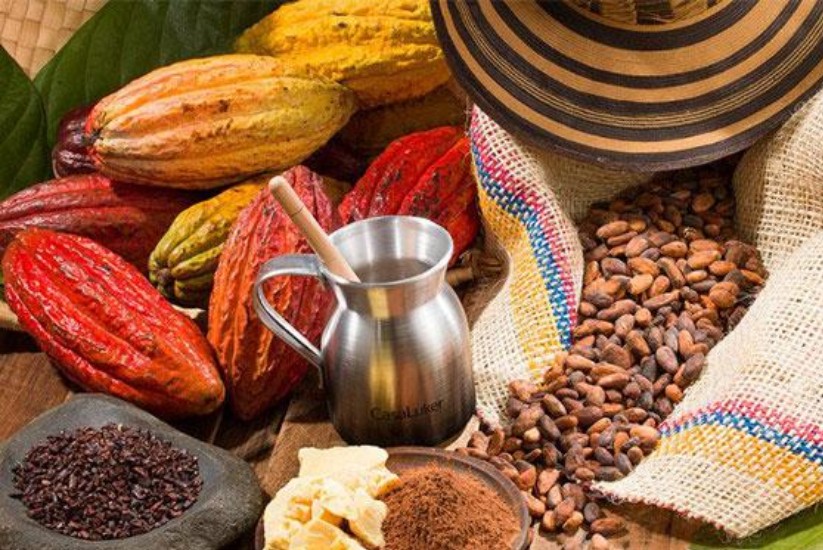
  1. Selection and Origin of the Bean
It all starts in the field. Choosing the right bean is the first step toward exceptional chocolate.
¿Considerations?
  • Genetic variety (Criollo, Trinitario, Forastero, etc.)
  • Cultivation region and terroir (soil, climate, altitude)
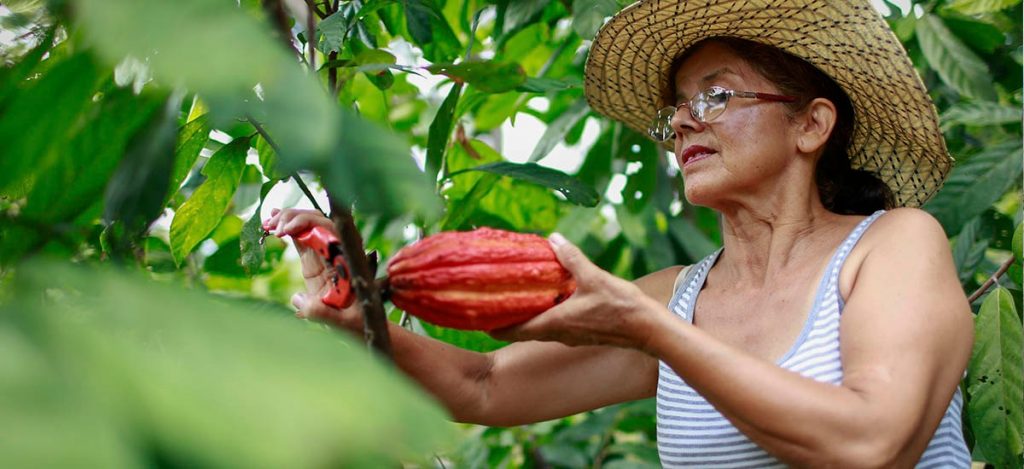
  • Good agricultural practices by the cocoa Farmer
Notable Origins:
  • Tumaco, Colombia: Floral and fruity profile
  • Quipile: Sweet notes with body
  • Santander: Intense cocoa with balanced bitterness
 
  1. Drying and Roasting the Bean
After fermentation and drying, cocoa beans are roasted to enhance their flavors.
Key Tips:
  • Each origin requires a distinct roasting profile.
  • Time and temperature directly influence flavor notes.
Outcome:
Notes of nuts, caramel, fruits, wine, wood… each bean is a world of its own!
  1. Winnowing and Grinding
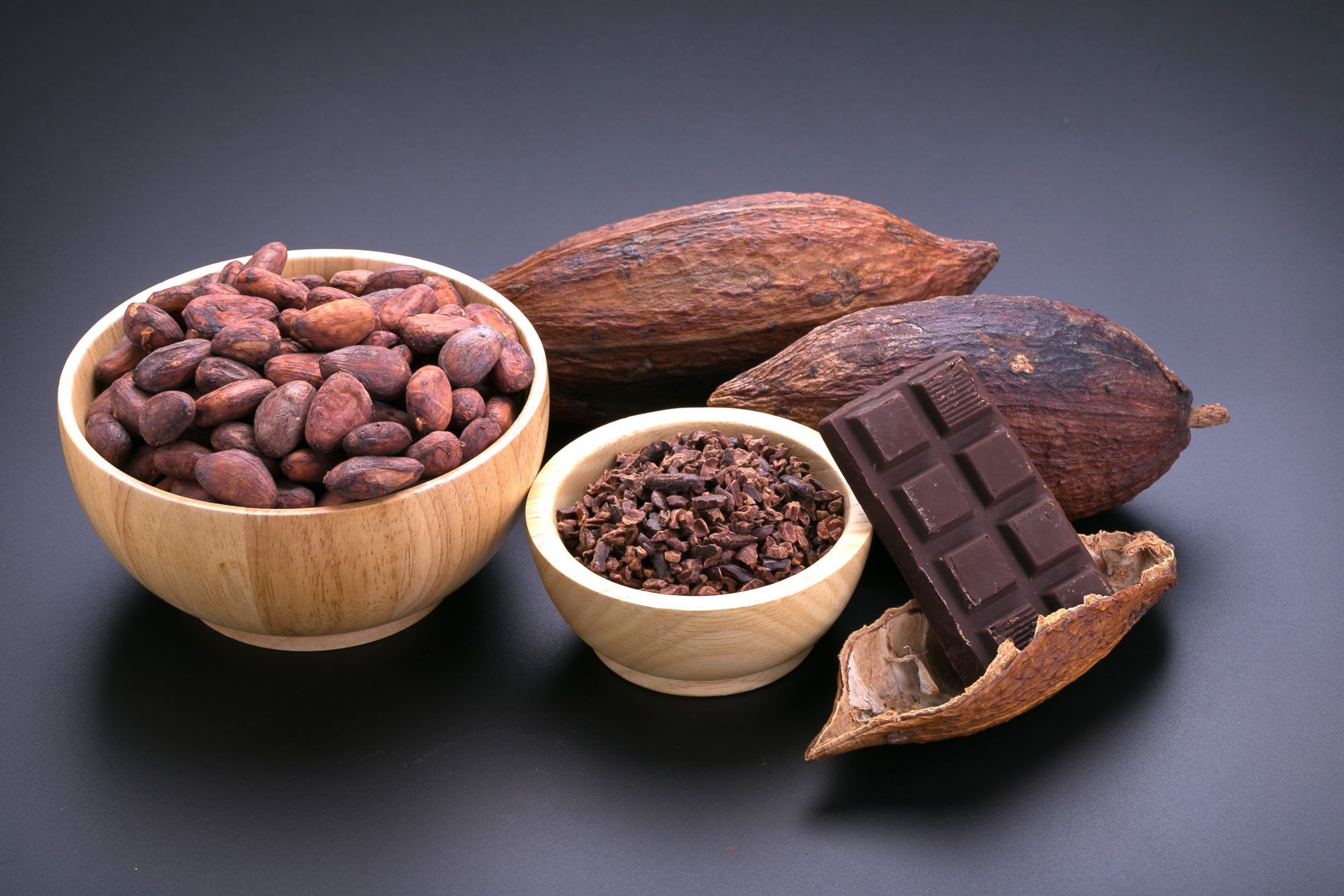
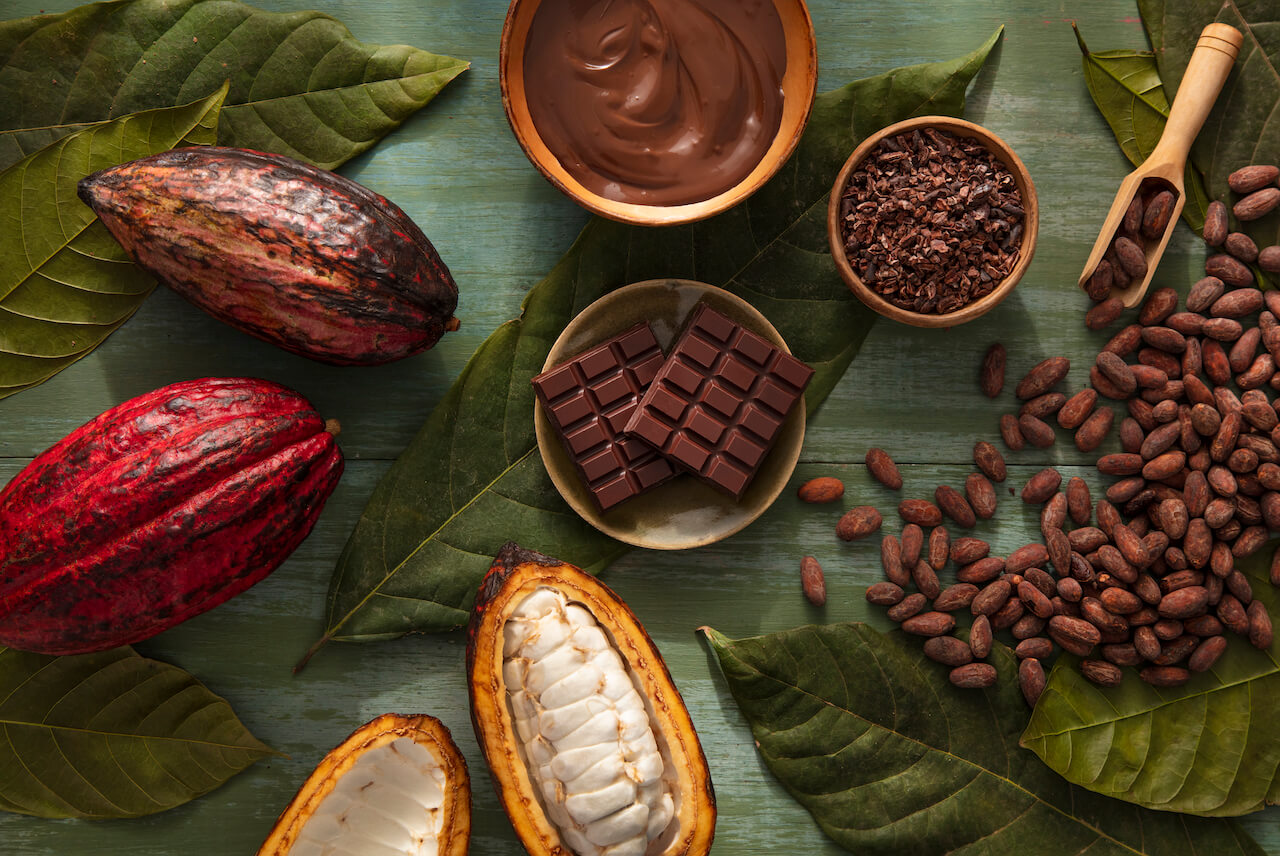
Post-roasting, the bean is cracked, and the shell is removed to obtain cocoa nibs.
Equipment Used:
  • Cocoatown (Winnower)
  • Grinder or refiner (to produce cocoa liquor)
The result is a thick, aromatic paste that already tastes like chocolate… but it’s not ready yet.
  1. Conching and Refining
Conching smooths the texture and helps evaporate volatile acids. It’s a crucial step for achieving fine chocolate.
Duration:
Can range from 12 to 72 hours, depending on the chocolatier’s style.
¿Benefits?
  • Silky texture
  • Better flavor integration
  • More defined aroma
 
  1. Tempering and Molding
Once conched, the chocolate is precisely cooled to achieve a shiny and crisp structure.
Tempering:
  • Aligns cocoa butter crystals
  • Enhances finish and shelf life
Molding:
  • Poured into molds and cooled
  • Defines the final shape of the chocolate (bars, bonbons, figures, etc.)
Conclusion: Bean to Bar, an Artisan Process with Purpose
Bean to Bar chocolate is more than just a product; it’s an experience that honors cocoa, the producer, and the consumer. It’s a model that champions quality, fair trade, and transparency at every stage.
Interested in learning more or starting your own Bean to Bar project?
Explore our blog and become a cocoa artisan with impact.
Publicado el

Origin Stories and Colombian Cacao: Tales from Cacao-Growing Regions, Producer Profiles, and the Richness of National Cacao.

Discover the regions, hands, and flavors that bring our chocolate to life.
Colombian cacao is more than just a raw material: it’s culture, territory, and living history. In this blog section, we aim to take you to the heart of cacao-producing regions, introduce you to their producers, and show you how each bean has a story to tell.

What Makes Colombian Cacao Unique?

Colombia is renowned for its genetic diversity of fine and aromatic cacao, resulting in a variety of sensory profiles: fruity, floral, citrusy, spicy, and more.
Each region imparts its own signature to the bean, thanks to factors such as:
  • Altitude and climate
  • Traditional agricultural practices
  • Fermentation and drying with ancestral knowledge
Producer Profiles: The Guardians of Flavor
Meet those who make Colombian cacao possible:
Doña Yolanda – Quipile, Cundinamarca
A producer of Criollo cacao with floral notes and mild acidity. She has been cultivating in harmony with the land for over 15 years.
Asociación Asoprocao – Mapiripán, Meta
A community that transitioned from illicit crops to cacao as a symbol of peace. Their cacao has fruity tones and a story of resilience.
Don Ernesto – Tumaco, Nariño
A specialist in long fermentation, his cacao stands out for its intensity and notes of tropical fruits. He exports to Bean-to-Bar brands in Europe.
Tumaco: Cacao with body and character, ideal for intense blends.
Quipile: Delicate, floral, and slightly acidic.
Mapiripán: Fruity profile, with great potential in directed fermentations.
Santander: Classic, with a good base for blends or 70% chocolates.
 
Stories That Inspire
“When we plant cacao, we plant peace”.
— Producer in Meta.
 
“This cacao tastes like our mountain, the river, and the effort of my entire family”.
— Cacao grower from Santander.
 
Why Know the Origin?
Knowing the origin allows you to:
 
  • Differentiate yourself in the market with authentic storytelling.
  • Value the producer and pay a fair price.
  • Create products with identity and purpose.
 
Want to Learn More Stories?
Each month, we highlight a region and a sensory profile.
Follow us on our social networks!


Publicado el

Training and Courses: Access Workshops, Training Dates, and News from Kakaolate’s Educational Program.

At Kakaolate, we are committed to sharing our knowledge and passion for artisan chocolate. Our educational program offers a variety of workshops and courses designed for entrepreneurs, chocolatiers, and enthusiasts eager to delve into the world of Bean to Bar chocolate making.
Why Train with Kakaolate?
Our courses go beyond recipes — they are proven methods focused on:
  • Profitability for small businesses
  • Technical and artisan mastery
  • Connection to the origin of Colombian cacao
 
Additionally, they are designed for entrepreneurs at all levels — from the curious beginner to the seasoned chocolatier.
Available Courses
  1. Bean to Bar Workshop (In-Person)
  • Learn the full process:
  • Bean selection and roasting
  • Refining and conching
  • Tempering, molding, and packaging
  • Calculations to scale your production
Ideal for those looking to create their own chocolate brand from scratch.
 
  1. Artisanal Panning Workshop
Discover how to coat nibs, nuts, and dried fruits with chocolate.
Includes:
  • Manual and semi-automatic panning techniques
  • Use of a panning drum
  • Chocolate formulation for coating
  • Tips for storage and packaging
Perfect for creating gourmet products with high commercial value.
 
Dates and Upcoming Workshops
Our workshops are held monthly with limited spots available.
Contact our advisor and reserve your spot in advance.
Follow us on social media to receive updates on new dates, discounts, and special workshops:
HTTPS://WWW.INSTAGRAM.COM/KAKAOLATE_CHOCOLAT/
 
What’s Included in Each Workshop?
  • Hands-on classes using real equipment
  • Materials kit and downloadable manual
  • Access to a private group with post-workshop support
  • Kakaolate Certificate of Participation
Modalities
In-person in Bogotá (full workshop with equipment)
 
Become a Purpose-Driven Chocolatier
Learning to transform cacao from its origin gives you power: the power to create authentic products, connect with the land, and generate income doing what you love.
 
Ready to Take the Leap?
Explore our course calendar and book your spot today!
Publicado el

Start a Business with Cacao: Practical guides, legal advice, and tools to help you start your own chocolate business

¿Te apasiona el chocolate y sueñas con convertirlo en tu fuente de ingresos?

Are you passionate about chocolate and dream of turning it into your source of income?
Then this article is for you. Here, you’ll find everything you need to start a chocolate business—from practical guides and legal guidance to downloadable tools that will help you turn a sweet idea into a profitable venture.
Why Start a Business with Cacao?
Artisan chocolate is having a moment: consumers are looking for more authentic products with traceability, real ingredients, and handmade processes. Starting a business with cacao is not just a great business opportunity—it’s also a way to add value to Colombian agriculture, promote fair trade, and create unique experiences.
Practical Guides for Chocolate Entrepreneurs
Here are the key steps to help you get started with clarity:
Step-by-Step Guide to Starting Out
  • Choose the type of chocolate you want to produce (bars, bonbons, couvertures, etc.)
  • Learn about the full process: from the bean to the finished producto
  • Define your target audience and value proposition
  • Develop your brand identity
Profitable Business Models
  • Brick-and-mortar or online chocolate shop
  • Private-label production for other brands
  • Customized chocolates for events
  • Training workshops and sensory experiences
Business Plan for Chocolate Shops
  • Market análisis
  • Cost and profitability estimates
  • Sales projections
  • Marketing plan and distribution channels
 
Artisan vs. Semi-Industrial Production
Understand the pros and cons of each approach based on your budget, production volume, and growth goals.
 
Legal Tips to Keep in Mind
Legalizing your business from the start avoids future issues and builds trust with your customers.
Key aspects:
  • Trademark and trade name registration
  • Health permits (INVIMA)
  • Requirements for selling food products
  • Nutritional labeling and regulatory compliance
Planning to export? You’ll also need to certify your facility and comply with international regulations.
Useful Tools to Get Started
  • Business plan template
  • Production cost spreadsheet
  • Basic equipment checklist
  • Price and margin calculator
  • Directory of reliable suppliers
 
Tips to Scale Your Business
Once you’re up and running, we recommend:
  • Developing a digital marketing strategy via social media and Google
  • Telling your brand story: where your cacao comes from, who transforms it, what makes it special
  • Creating partnerships with other entrepreneurs, farmers, or food brands
  • Participating in trade fairs, competitions, or getting certifications (organic, fair trade, vegan, etc.)
 
Conclusion: Your Chocolate Business Starts Today
Starting a chocolate business is a passionate adventure with great potential. With the right tools, the proper knowledge, and a genuine story behind your product, you can build a business that’s not only profitable but also meaningful.
 
Publicado el

THE ART OF BEAN TO BAR

In the vast world of chocolate, products are crafted with distinctive characteristics and great creativity, combining flavors, textures, and ingenuity in their presentation. This approach has allowed the “Bean to Bar” method to establish itself as a prominent technique in Colombia’s chocolate market.

The “Bean to Bar” method, recognized for its bean-to-bar approach, represents a comprehensive philosophy in chocolate production. It emphasizes managing the entire process, from selecting cocoa beans to crafting the final chocolate bars, providing an unparalleled tasting experience. In today’s chocolate industry, a range of possibilities opens up for those looking to capitalize on the high demand for this delicious energy-rich food.

However, consumers of this type of chocolate are often very discerning when selecting and enjoying these sweets. This demands that production be carried out with specialized techniques to ensure a high-quality product that stands out in the competitive world of chocolate making.

With a market that demands precise knowledge for proper chocolate processing, Kakaolate presents itself as a facilitator of these techniques through its advanced “Bean to Bar” course. This course covers everything from the theory of cocoa and its components to bean selection, treatment methodology, processing, and tempering, including practical packaging techniques.

Personalized training offers participants the opportunity to understand each part of the process in detail, resolve doubts, and experience the stages as if they were doing it themselves. The exclusivity of the workshops offered by Kakaolate ensures attention to detail and to the concerns of attendees, thus providing a comprehensive and effective course for learning and applying this technique.

Publicado el

Transforming from Bean to Bar: Empowering Entrepreneurs to Invest According to Final Product and Target Market

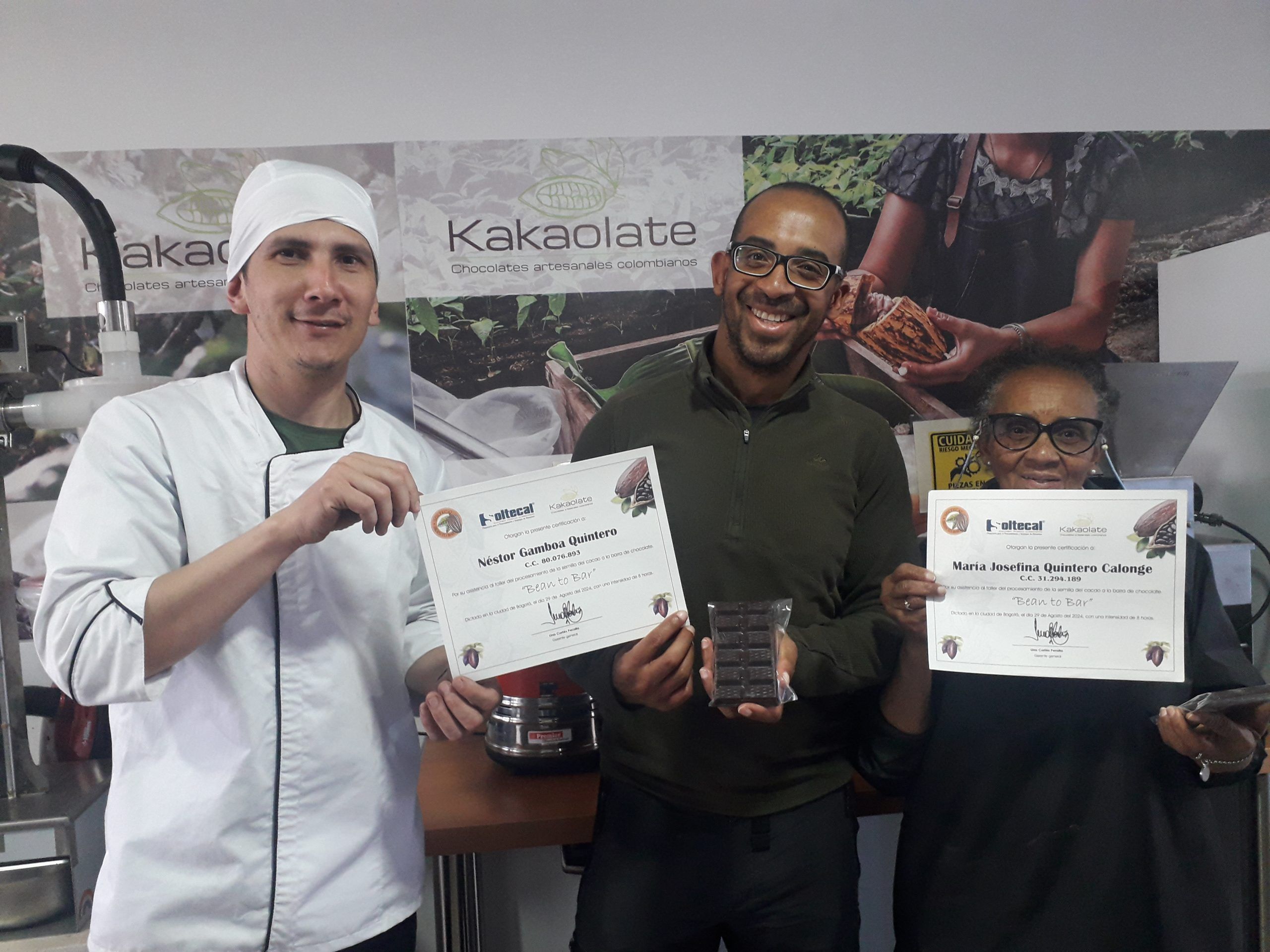
At Kakaolate, we are not only experts in crafting artisanal chocolates following the “bean to bar” principle, but we are also committed to training entrepreneurs, cultivators, and cocoa farmer associations so they can transform cocoa into high-quality products themselves. Through our workshop, we offer a comprehensive experience for each participant to understand the cocoa transformation process and discover the investment potential in machinery to create products like chocolate bars, breakfast chocolates, and filled chocolates.

The “Bean to Bar” Principle. The “bean to bar” method is a growing trend in artisanal chocolate production. From the careful selection of cocoa seeds to the creation of the final product, each stage is precisely controlled to ensure an authentic and natural flavor. This approach not only guarantees higher quality but also connects producers with the essence of chocolate, preserving the characteristics of origin cocoa.

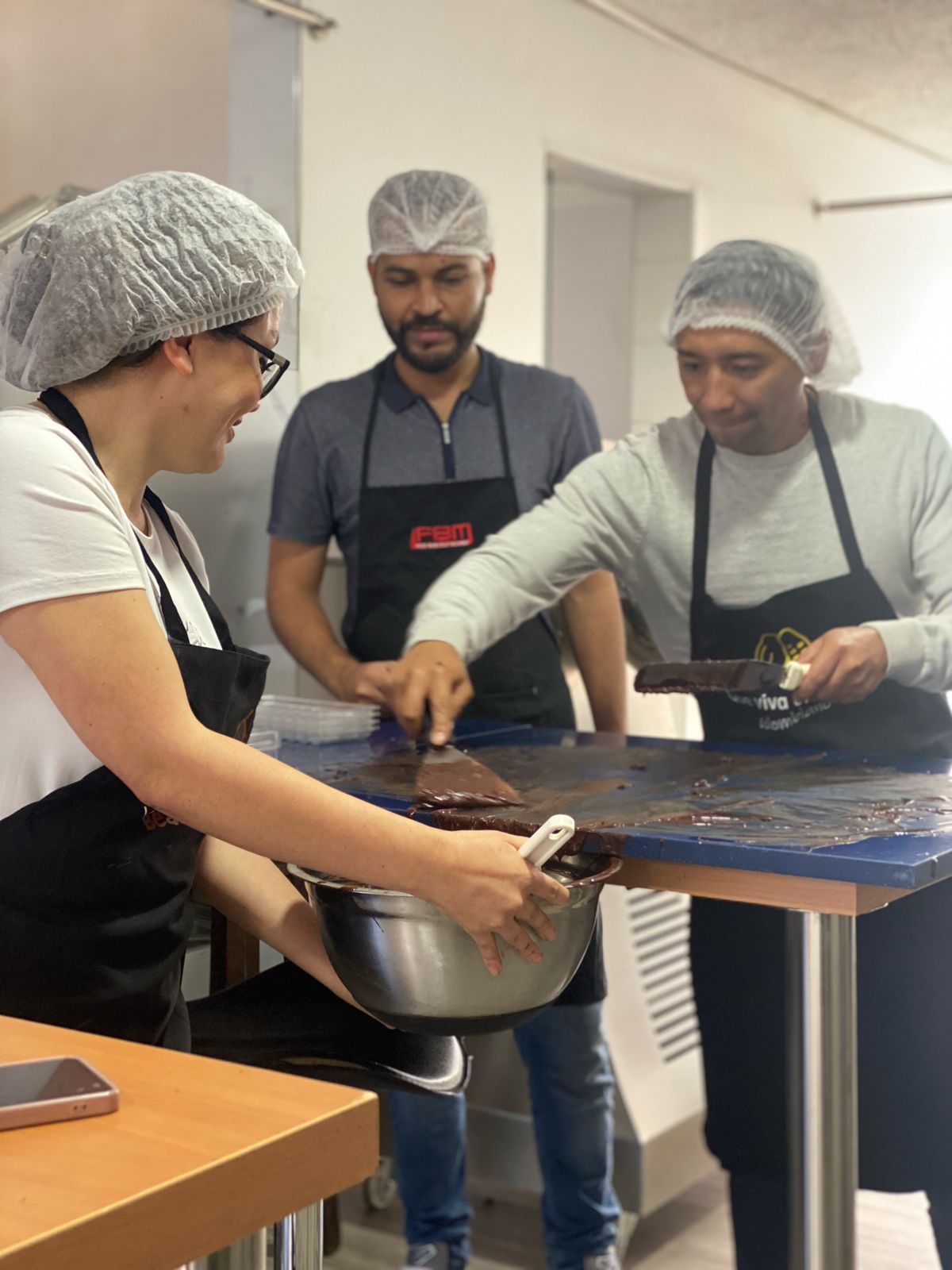
Our Workshop: From Seed to Product At Kakaolate, we offer more than just chocolate. Through our workshop, we help entrepreneurs and farmers explore the process of transforming cocoa into finished products. The workshop is designed so that participants can interact directly with the machines, learning about the human-machine interface and the production process.

What Will You Learn in Our Workshop?

  1. Cocoa Selection: Understand the importance of choosing the best cocoa seeds and how their origin influences the final flavor of the chocolate.
  2. Transformation Process: We guide participants through each stage of the “bean to bar” process, from roasting and conching to molding and packaging.
  3. Product Development: Participants learn to create products such as breakfast chocolates, chocolate bars, and filled chocolates.
  4. Investment in Machinery: One of the greatest benefits of the workshop is that it allows entrepreneurs and cultivators to visualize what type of product they can develop in the short term, depending on the investment in machinery. This human-machine interface provides them with a clear perspective on production capabilities and return on investment.

Benefits of the Training: Our workshop not only teaches the technique behind artisanal chocolate but also encourages cocoa-growing communities to diversify their production, add value to their crops, and achieve greater economic independence. With the right tools and acquired knowledge, participants will be prepared to take their product to the next level.

Kakaolate is not just an artisanal chocolate company but a platform to empower those who see in cocoa an opportunity for growth. Our “bean to bar” workshop provides the necessary knowledge and experience to transform the cocoa seed into products that can have a positive impact on the local and global economy. We invite you to be part of this experience and discover the true potential of cocoa.